The district
Asakusa before and after the show
How to reach Asakusa, what the temple district offers by day and how a sumo evening fits around it.
Reserve your table by the ring ↗Quick answer
Asakusa is a district in Taitō, on the Sumida River in eastern Tokyo, best known for Sensō-ji. Asakusa Station is the eastern end of the Tokyo Metro Ginza Line and is also served by the Toei Asakusa Line and the Tobu Skytree Line. A sumo evening fits naturally after a day among the temple, its gates and the Nakamise approach.
Getting to Asakusa
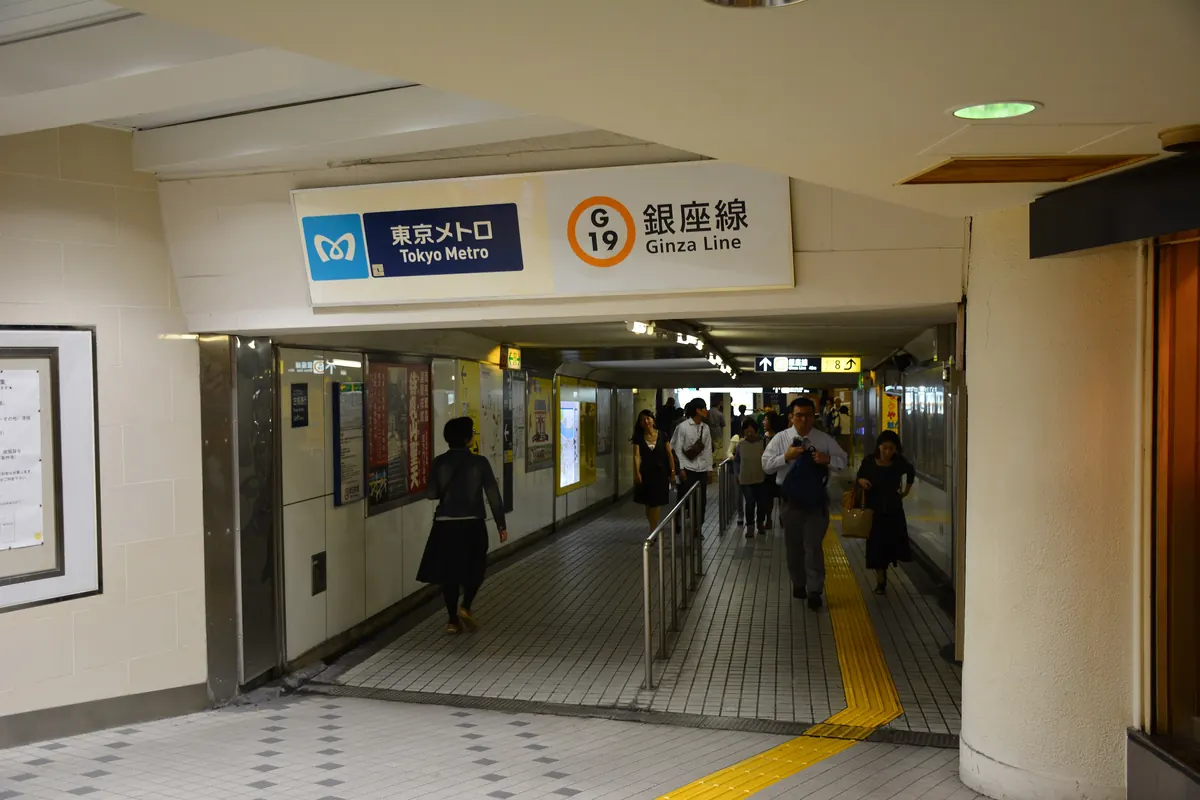
Wikipedia says Asakusa Station is at the eastern end of the Tokyo Metro Ginza Line and is also served by the Tobu Skytree Line and the Toei Asakusa Line. A separate Asakusa Station serves the Tsukuba Express. Use your confirmation's meeting point rather than the station name alone, because the show's meeting point may depend on your seat type.
Sensō-ji
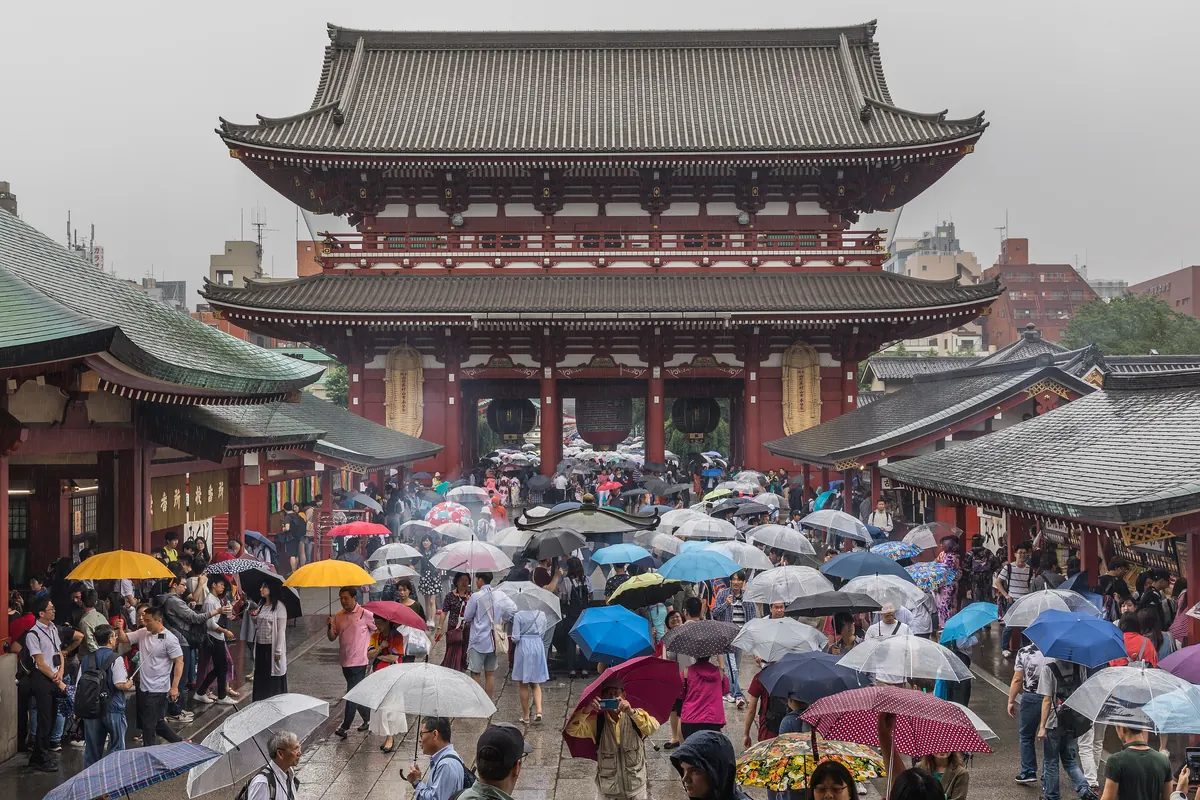
Sensō-ji is a Buddhist temple dedicated to Kannon, the bodhisattva of compassion. Wikipedia calls it Tokyo's oldest established temple and, citing the temple's own legend, says two brothers found a statue of Kannon while fishing in the Sumida River in the year 628.
The gates and the lane
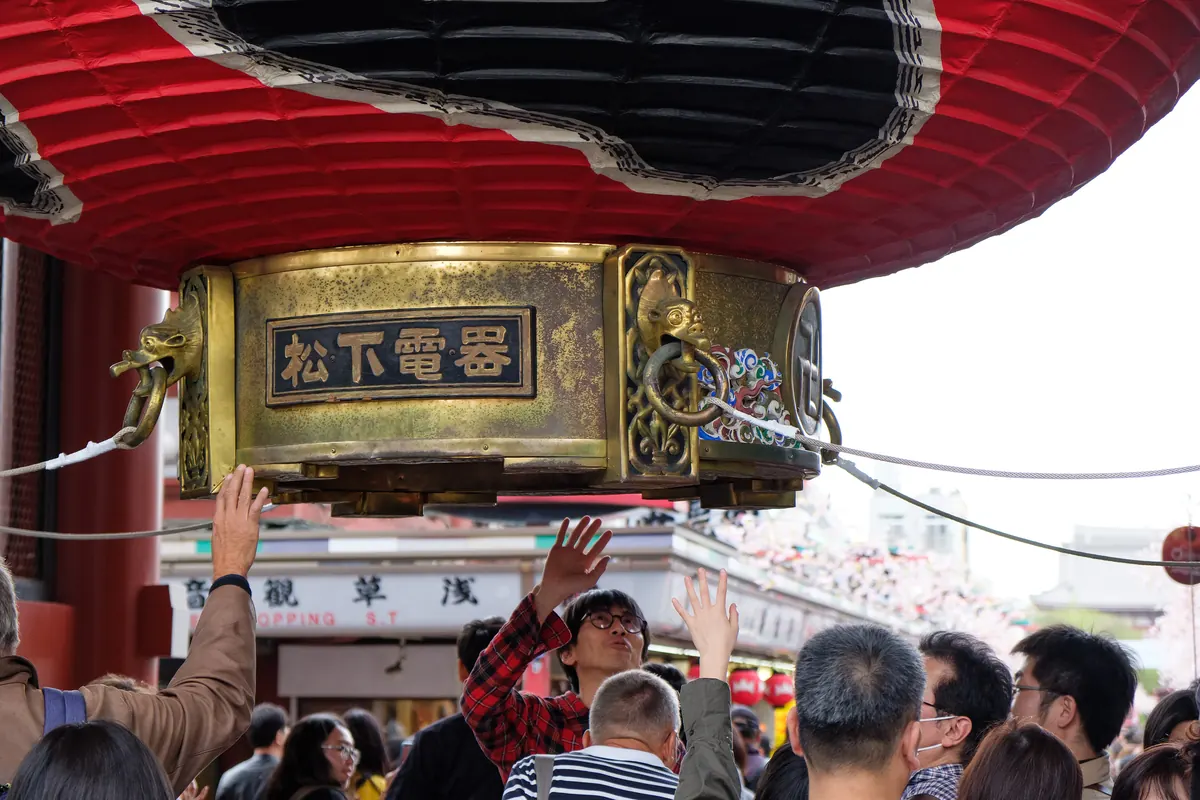
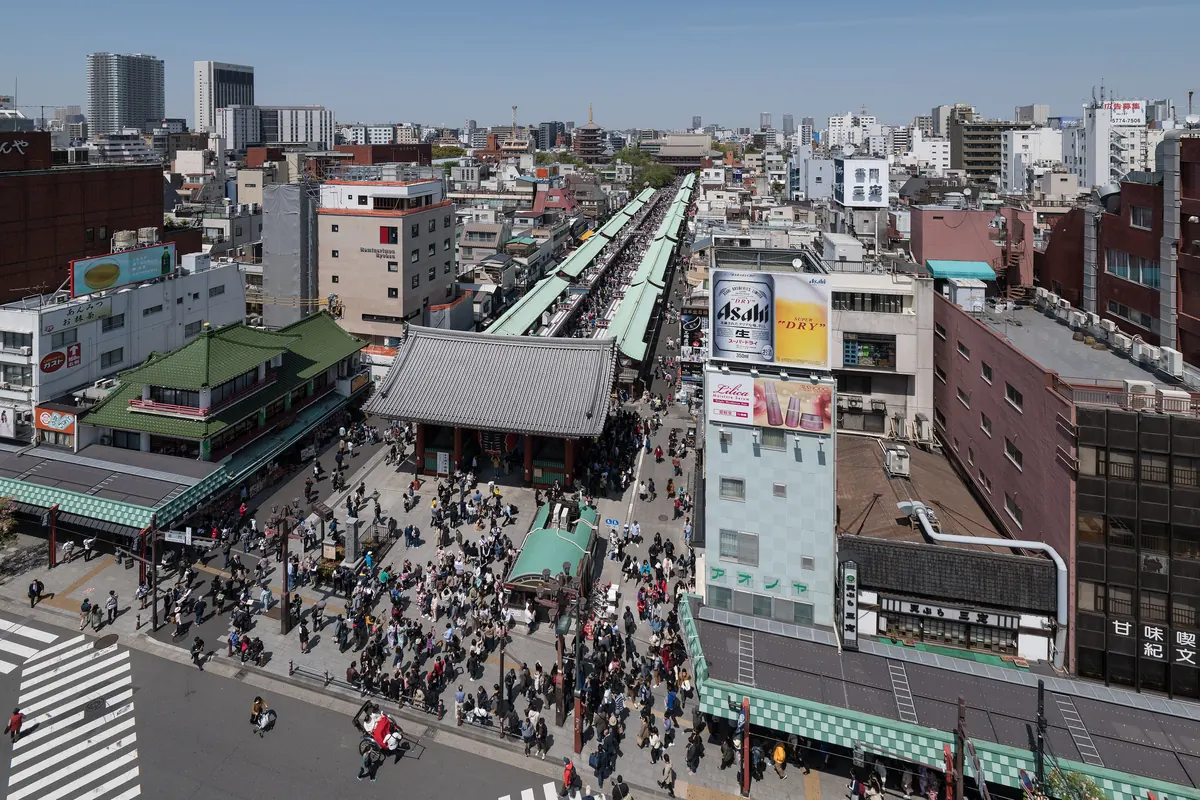
The Kaminarimon is the outer of the temple's two big entrance gates, hung with a giant lantern. The Hōzōmon is the inner gate. Nakamise-dōri forms the approach to the temple. Wikipedia says the temple was destroyed in the air raid of 10 March 1945 and the main hall was rebuilt in the 1950s.
A district of theatres
Wikipedia says Asakusa Rokku was once the biggest theatre district in Edo, with cinemas among its famous venues. A sumo show with a ring in a restaurant sits easily in a district with that entertainment past.
By the river
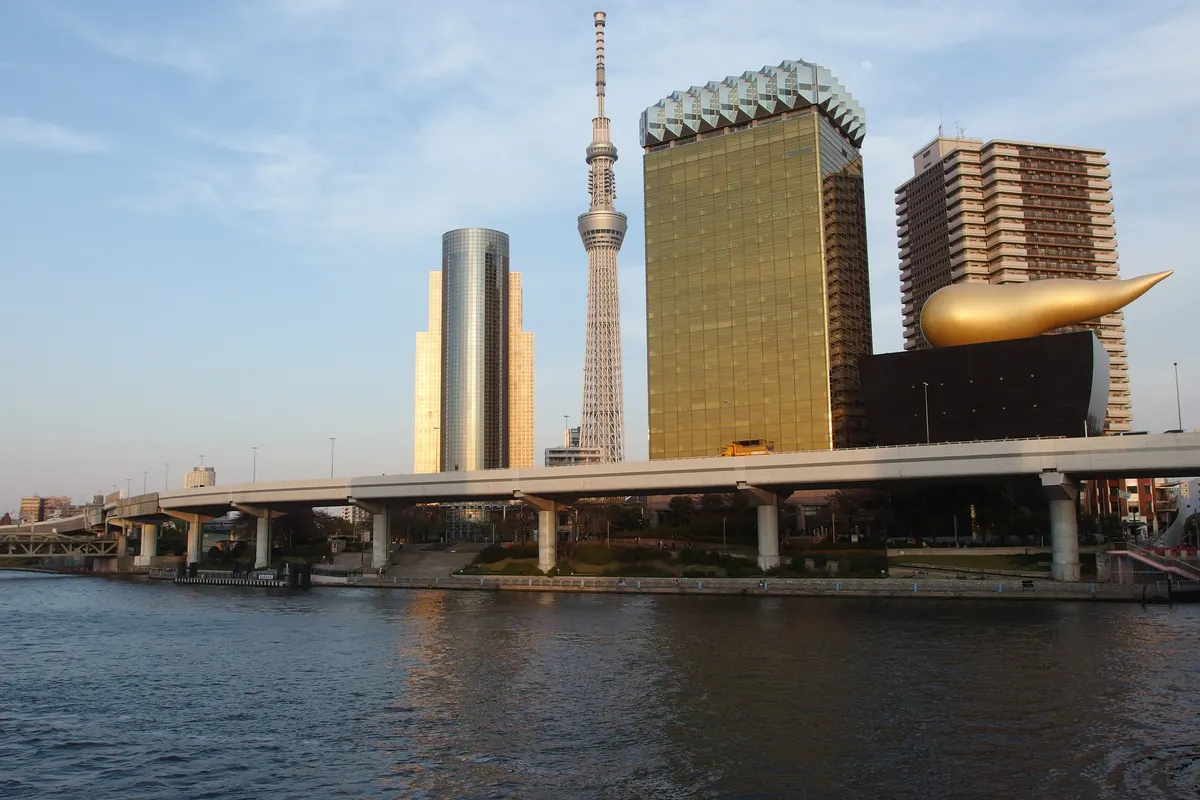
Asakusa lies on the banks of the Sumida River, and Wikipedia says cruises down the river leave from a wharf a five-minute walk from the temple. Kappabashi-dōri, noted there for its cluster of kitchenware shops, makes a neat detour if the chanko-nabe has you curious about pots.
May and the Sanja Matsuri
Wikipedia says the district's most famous festival, the Sanja Matsuri, takes place in May and draws huge crowds over its three days. If your trip falls then, expect a busier Asakusa than usual, leave extra time for the walk to your meeting point, and read your confirmation for the room and the exact address.
Fitting the show in
Devote the afternoon to the temple, and keep a cushion of minutes for reaching the place your confirmation names. Bring an appetite: dinner is bundled with the ticket. Your date's start time is shown in the booking calendar, and paying later lets a seat be held while other plans settle.
Sources