Compare
Sumo hot-pot show or sushi class?
A sumo show with hot pot or a hands-on sushi class: which Tokyo meal should you book? Length, food, diets, mood and who each one suits.
Reserve your table by the ring ↗Quick answer
Book the sumo show if you want an event with company: wrestlers, a moderator, a shared table and a stew you eat as much of as you like. Book the sushi class if you want a skill to take home: about an hour and a half learning to shape nigiri with tuna and salmon under a sushi chef. They are two different evenings, one loud and one focused, and both are rated highly on GetYourGuide. If you have only one meal to spare in Tokyo and travel with a group or children, the sumo show suits more people.
Two Tokyo meals side by side
| Sumo show with hot pot | Sushi-making class | |
|---|---|---|
| Length | 2 hours | 1.5 hours |
| You do | Watch, learn, maybe take the ring turn | Make nigiri with your own hands |
| Food | All-you-can-eat meal with chanko-nabe | The nigiri you make, with tuna and salmon |
| Drinks | One included, more for sale | A separate menu for an extra charge |
| Diets | Vegetarian and vegan on request, two days ahead | Vegetarian, vegan and gluten-free, with a day's notice |
| Mood | Loud and shared | Quiet and hands-on |
Quick verdict
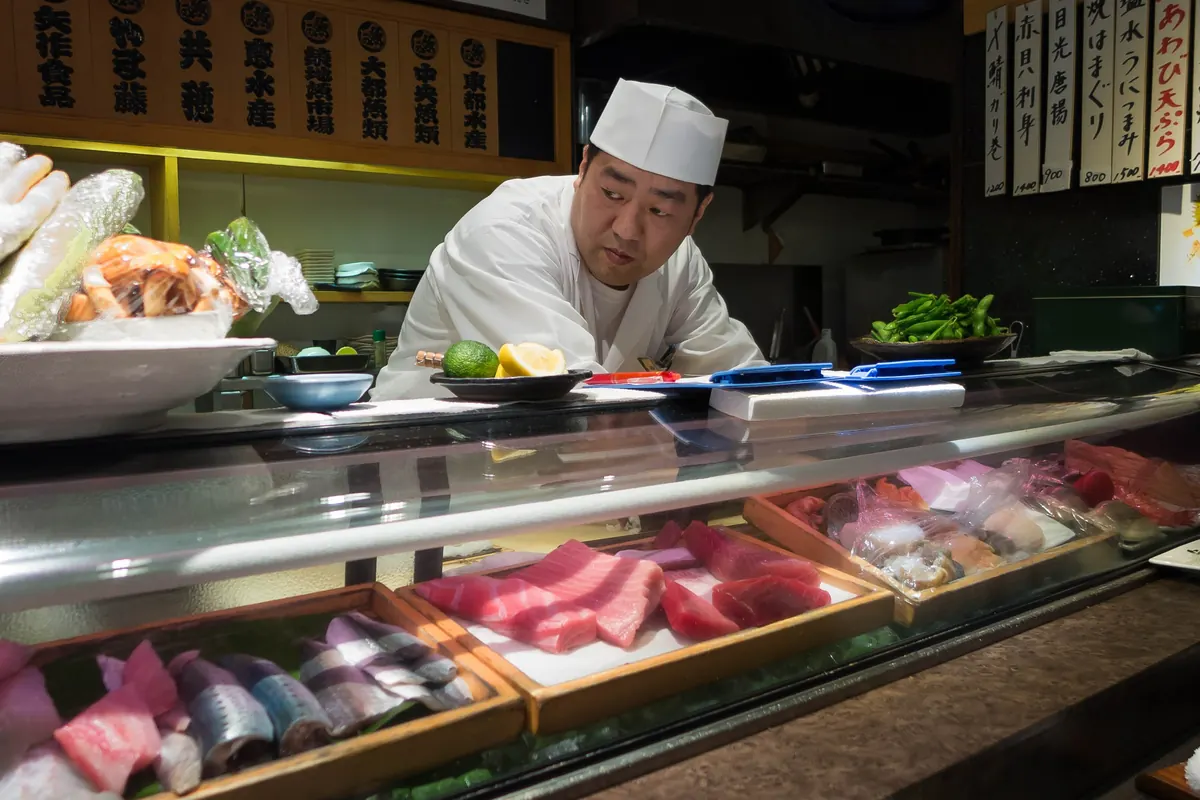
Each of these meals suits a different mood. At the sumo show you sit back and join a spectacle: wrestlers demonstrate, a bout is fought and the stew keeps coming. The sushi class is a craft: you stand at a counter, learn how rice and fish come together, and finish with nigiri you made yourself. If you want stories to tell, the sumo show gives more of them. If you want something practical to repeat at home, the class does. Neither is wasted; the question is which mood suits the night and the people you are with.
The sumo evening in brief
A restaurant in Asakusa is built around a real sumo ring. Retired wrestlers demonstrate morning exercises and classic techniques, a moderator explains in English and Japanese, a best-of-three match is fought, and guests may try a challenge if a limited place and a lottery allow. An all-you-can-eat meal with chanko-nabe and one drink are included. A printed photo with the wrestlers and a souvenir set finish the evening, according to the listing.
The sushi class in brief
The class is described as beginner-friendly. A skilled sushi chef shows how to make nigiri from scratch, you then try it yourself with popular ingredients such as tuna and salmon, and you wear a happi coat, the short Japanese jacket, while you work. The listing says drinks are on a separate menu for an extra charge, and that the instructor speaks English and Japanese. The booking page lists the meeting point for your date.
A word about nigiri
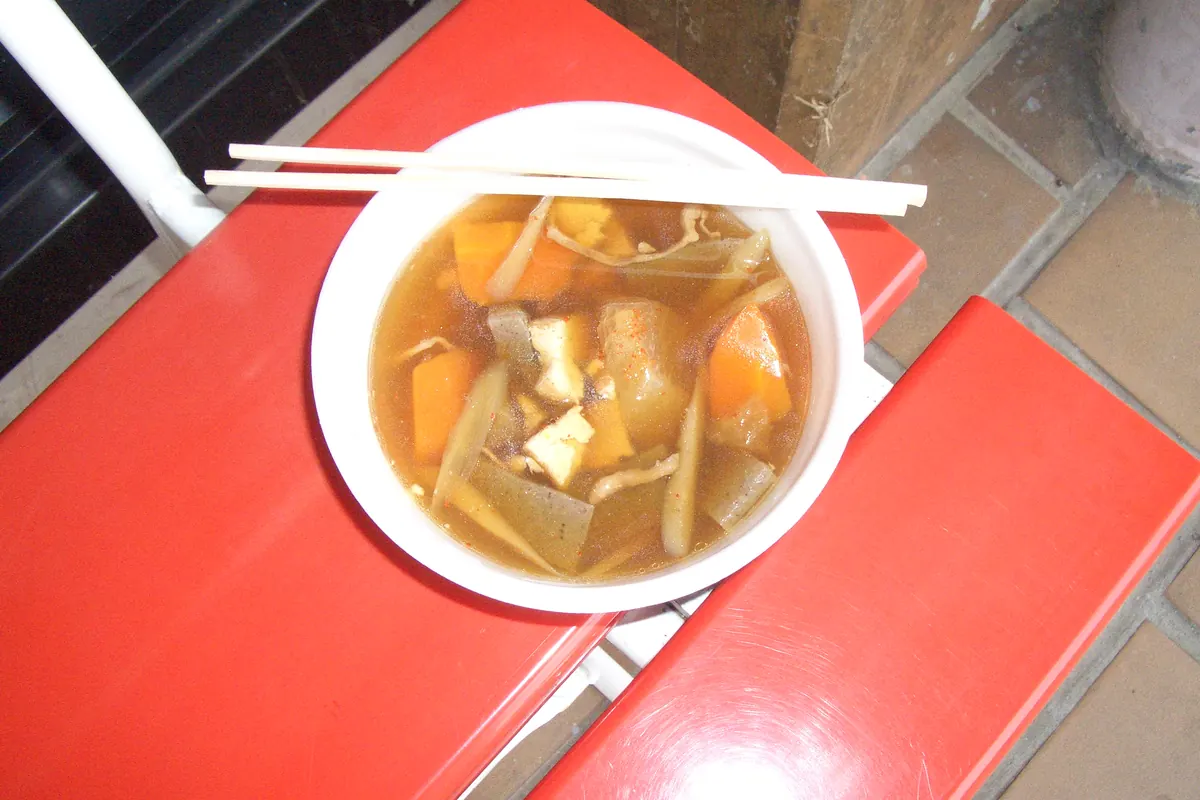
Wikipedia says the nigiri style that the class teaches grew up in old Edo, the city that became Tokyo, and credits Hanaya Yohei with inventing or perfecting it in 1824 at his shop in Ryōgoku. It was the fast food of the city's townspeople, and the first name for it, Edomae, came from the fish caught in Edo Bay. The point of interest for this comparison is that Ryōgoku is also the district of the sumo tournament arena. Both of these evenings belong to the same old east side of the city, one by the Sumida River and one at its edge.
Food, drink and diets
At the sumo show the food is the main course, served as chanko-nabe with unlimited helpings. At the class the food is what you make: a plate of nigiri. Diets differ. The sumo listing asks for two days' notice for vegetarian and vegan meals and cannot provide gluten-free or halal food. The class listing offers vegetarian, vegan and gluten-free options with a day's notice and asks you to mention allergies. Anyone with a strict diet should choose with that in mind.
Language and instruction
Both listings work in English and Japanese. At the sumo show the moderator talks the whole room through rules, rituals and the bout, so you follow as an audience. At the class the instruction is closer: a chef shows a step and you copy it, which suits people who learn by doing. If a member of your party struggles in a noisy room, the quieter setting of the class will help them far more.
Mood and noise
Expect the sumo room to be loud. The moderator rouses the crowd, the audience cheers a favourite and shared seating is common. The sushi class is calmer: a counter, an instructor and a handful of guests concentrating on small pieces of rice. If someone in your party dislikes crowds, the class is the easier evening. If someone is bored by quiet instruction, the sumo show is.
Families and groups
The sumo listing calls the show family-friendly and fits a larger party that wants one shared event. The class works best for small groups who each want to cook. For a mixed group of adults and children, the sumo evening keeps more people engaged for the whole two hours, though babies under one year are not suitable.
Budget, without figures
Neither evening is cheap or dear in the abstract, so open both calendars for your dates and compare the from-prices for the seat or option you want. Remember what each price covers. The sumo ticket includes an all-you-can-eat meal and a drink, while the class includes what you make and charges for drinks separately. Seat type changes the sumo price, so compare like with like.
Length and the rest of your day
The sumo show runs two hours and the class an hour and a half, so both leave room for a walk before or after. The sumo show is in Asakusa, so a day among Sensō-ji and the Nakamise lane followed by the show forms an easy plan. The class's meeting point is on its booking page, so check where it falls before you build a route.
Ratings side by side
On GetYourGuide the sumo show carries 4.8 from thousands of reviews and the class 4.9 from over a thousand and a half. Both are well regarded, and the difference is small enough that the rating should not decide it. Decide by the mood you want and the diets in your party.
A rainy-day view
Both evenings are indoors, so weather rarely changes either plan. If your day outside is wet, as it often is in Asakusa's temple lanes, either meal makes a dry finish. The Mount Fuji day trip is the opposite case: the listing warns that the view of the mountain depends on the weather and cannot be guaranteed, so keep indoor evenings for the days after a trip like that.
Can you do both?
You can, though not on the same night. A few days in Tokyo leave room for both, and taking the class first teaches you a little about rice and fish before you sit down to a different dish beside the ring. Each has its own calendar and booking.
Our pick, by traveller
Pick the sumo show if you travel as a group, with children, or want an evening that explains a famous sport. Pick the sushi class if you travel as a couple or on your own and prefer a quiet, practical hour. Whichever you choose, book early for popular dates, and read the booking page for the room, the seat type and the meeting point.
Frequently asked questions
Which is better value?
Compare the from-prices in each calendar for your dates. The sumo show includes an all-you-can-eat meal and a drink, and the class includes the nigiri you make.
Which suits children?
The sumo listing calls itself family-friendly for adults and children, with babies under one year not suitable. Ask the class page about age rules.
Which has more diet options?
The sushi class lists vegetarian, vegan and gluten-free options with a day's notice. The sumo show offers vegetarian and vegan on two days' notice and no gluten-free or halal.
Which is shorter?
The class runs about an hour and a half. The sumo show runs two hours.
Do both use English?
Yes. The sumo moderator and the class instructor each work in English and Japanese, according to their listings.
Can I book both on one trip?
Yes, on different nights. Each has its own calendar and its own booking.
Sources