Start here
Asakusa sumo show with hot pot: worth it?
Is the Asakusa sumo show with chicken hot pot worth the price, and how real is it? What retired wrestlers do on the night, what the ticket covers, and who will enjoy it.
Reserve your table by the ring ↗Quick answer
For most first-time visitors, yes, provided you want a lively meal with sumo at its centre rather than a sporting contest. Retired professional wrestlers show their exercises and techniques, a moderator explains the rules in English and Japanese, a best-of-three bout is fought, and an all-you-can-eat meal with chanko-nabe is served around a real ring. It is an entertainment show, and the listing says so itself. If you want ranked wrestlers fighting for a title, Tokyo's tournaments at the Ryōgoku Kokugikan are the real thing.
The evening at a glance
| Sumo show with hot pot | |
|---|---|
| Length | 2 hours |
| Wrestlers | Retired professionals |
| Meal | All you can eat, with chanko-nabe |
| Commentary | A moderator in English and Japanese |
| The bout | A best-of-three match |
| The ring turn | Optional; limited places, by lottery if oversubscribed |
| Seats | Standard (two rooms), VIP and VVIP |
| Souvenirs | A printed photo with the wrestlers and a souvenir set |
The short verdict
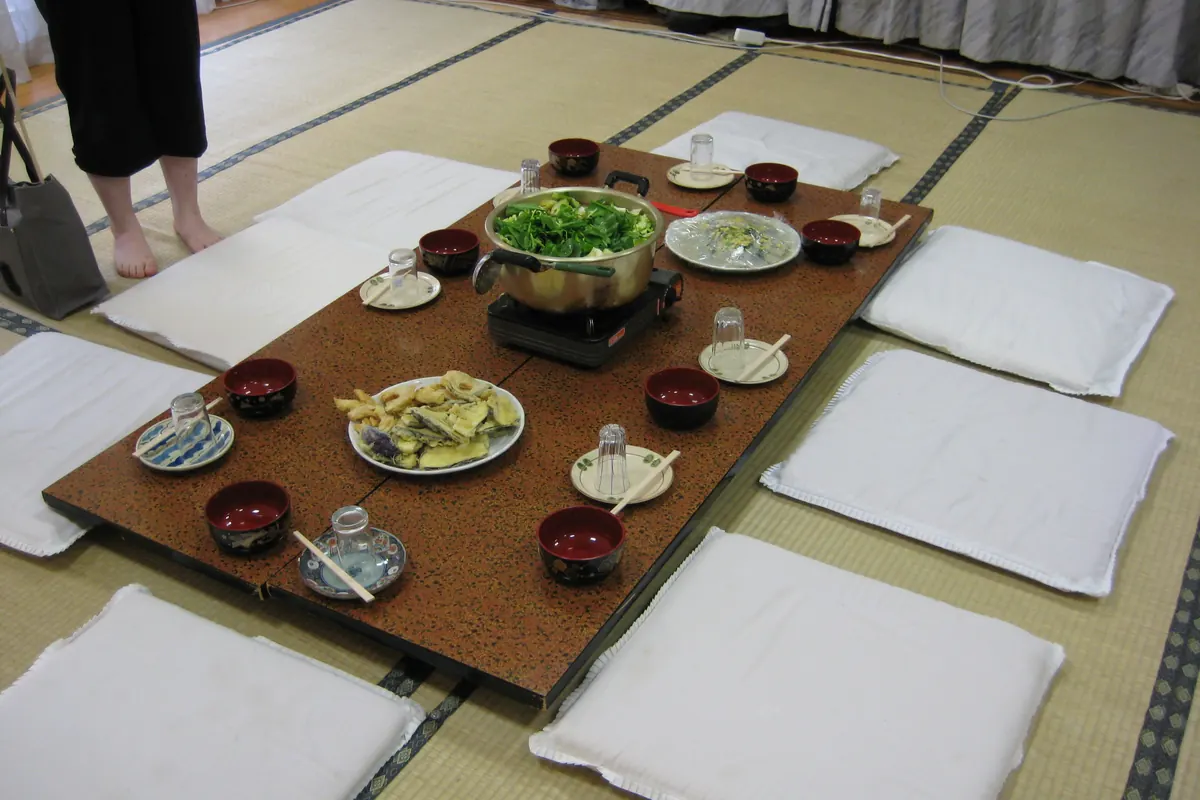
The evening works because it gives a first-time visitor three things at once: a meal that is part of the sport, a ring close enough to hear, and an explanation of what you are seeing. Few other ways of meeting sumo in Tokyo fold the food, the demonstration and the bout into a single sitting. The price buys you that bundle, and your decision turns on whether the bundle matches your evening. For a group that wants to laugh, eat well and learn the basics, it does. For a fan after rankings and rivalries, it is the wrong room.
What you are watching
On the booking page you will find demonstrations of morning exercises and classic techniques, plus an explanation of what wrestlers may and may not do, ending in a three-round contest fought by former professionals. They have stepped off the ranked ladder, so expect real technique and real weight, delivered at an entertainer's tempo. A moderator talks you through it in English and Japanese. The listing also notes that a traditional Japanese dance by geisha opens the evening; that is all the listing says about it, and this guide adds nothing to it.
What the title promises
The listing's title names three things: a sumo entertainment show, chicken hot pot and geisha. The description backs the first two with detail, namely demonstrations, a best-of-three bout and an all-you-can-eat meal with chanko-nabe. Geisha appear once, as a traditional Japanese dance that opens the evening. Come for the sumo and the stew, and treat the dance as part of the setting rather than the main event. Anything beyond that is for the booking page to tell you.
A show, not a tournament
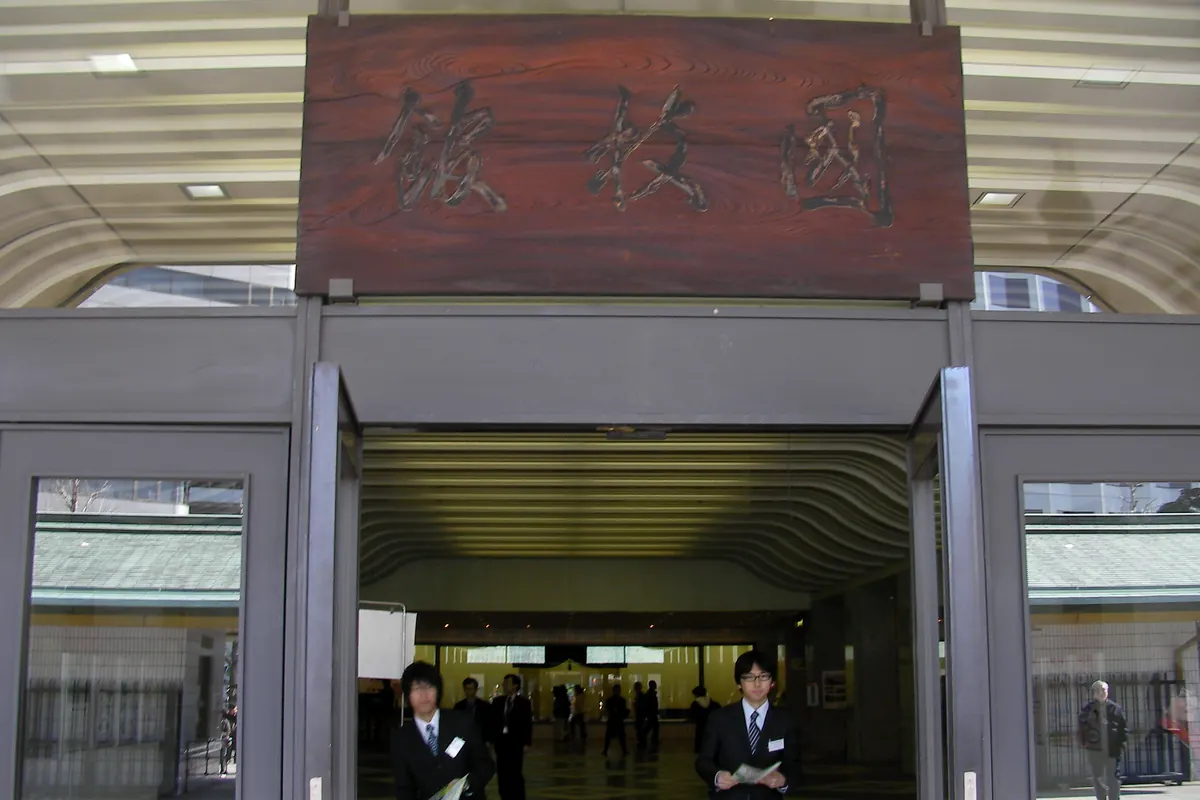
The listing itself states that this is entertainment, and not the sort of serious morning practice session some tours offer. Sumo as a sport is organised around Grand Sumo tournaments. According to Wikipedia, Tokyo's share of the six yearly events is staged at the Ryōgoku Kokugikan, once each in January, May and September, with each lasting fifteen days. A hot-pot evening scores nothing and ranks nobody. That is its format rather than a flaw, but it should not be booked as a stand-in for a tournament.
Read next: Real sumo in Tokyo: the Ryōgoku tournaments
The hot pot at the centre
Chanko-nabe is the stew wrestlers live on. Wikipedia describes it as a one-pot dish with a dashi or chicken broth, protein and vegetables, made without a fixed recipe, and eaten in vast quantities by wrestlers trying to gain weight. Here the listing promises an all-you-can-eat meal with chanko-nabe during the show, plus one complimentary drink and more for sale. The stew is the reason to arrive hungry. It is also why the evening feels more like a meal at a long table than a seat in an audience.
Read next: What sumo wrestlers eat: chanko-nabe
The ring turn
Guests may step into the ring and challenge a wrestler. Places are limited, and the listing says that when too many people apply the challengers are chosen by lottery. Plan to watch, and be pleased if you are picked. If your party has a child or a friend who badly wants a turn, tell them early that the lottery may not go their way, so nobody is disappointed at the table.
Length and the shape of the night
The listing gives two hours as the length and sends you to the calendar for the start time, so this guide prints none. Routines and their order can change from one night to the next, which is why no running order is set out here. Expect to be seated, fed and entertained for the whole stretch, and leave anything demanding until afterwards. A table full of food and a room full of noise make a poor setting for a tight onward connection.
Which seat to book
The listing sells standard seats in the main room, standard seats in a neighbouring annex, front-row VIP seats and central VVIP seats. It says the show is the same in both standard rooms and recommends VIP for the closest view. Because the meeting point can differ with the option you choose, read the booking page for the room before you pay. Seating may be shared with other guests, which suits a group that likes company and may irritate a couple that wants privacy.
Sitting together
The listing says guests may be seated with others. If your party wants to share a table, choose the same date and the same seat type for everyone, and read the room named on the booking page, since standard seats exist in two places. Larger groups benefit from this more than couples, who may find the shared seating part of the fun or a reason to step up a seat type.
What reviewers praise
The traveller reviews on the listing return to the same points: plenty of food, funny and experienced wrestlers, a moderator who gets the room cheering for its favourite, the audience taking part, and a generous souvenir bag at the end. They read like a lively dinner theatre rather than a sports event, which matches how the show describes itself.
Who will enjoy it
Families, groups of friends, couples who like a participatory evening, and anyone curious about sumo who has never seen a ring. The listing calls the show family-friendly for adults and children. It also helps if you enjoy eating at a communal table and do not mind a loud room.
Photos and souvenirs
Guests leave with a printed photo with the wrestlers and a souvenir set, and the listing says the contents of the souvenir set vary with the season. Nothing more is promised about photography during the show, so ask the staff on the night what is welcome before you raise a camera, and enjoy the room rather than filming the whole bout.
Who should skip it
Skip it if you want a quiet look at wrestlers training, a ranked bout, or a dinner for two without noise. Babies under one year are not suitable, gluten-free and halal meals are not available, and wheelchair seating is limited, so a guest with those needs should check the booking page first.
Booking it well
Choose your date in the calendar, pick the seat type, and tell the page about any vegetarian or vegan meal at least two days ahead. The calendar shows the time and room for your night, and the confirmation repeats them.
The bottom line
Go for the meal, the explanation and the laughs. Go with an open mind about the ring turn. And remember that the real sport is a few stops away at Ryōgoku, on its own calendar, if you want it afterwards.
Frequently asked questions
Is it real sumo?
The ring, the wrestlers and the stew are real. The bout is an exhibition between retired professionals, so the technique is genuine but nothing is at stake.
Is it a Grand Sumo Tournament?
No. Tokyo's tournaments take place at a different venue, the Ryōgoku Kokugikan, and on a calendar of their own. This hot-pot show is a separate entertainment evening.
Do I have to take part?
No. Stepping into the ring is optional, places are limited, and a lottery chooses challengers when many guests apply.
What is the geisha part?
The listing says a traditional Japanese dance performed by geisha opens the evening. It gives no more detail, so none is added here.
Can vegetarians eat?
Vegetarian and vegan meals can be requested, but the listing asks for at least two days' notice. Gluten-free and halal meals cannot be provided.
Which seats are best?
The listing recommends VIP front-row seats for the closest view, with VVIP central seats above them. Standard seats are sold for the main room and a neighbouring annex.
Sources