The stable
Life inside a sumo stable
How a heya works: who runs it, who does the chores, why ranks decide the bath and the bedroom, and how a career ends.
Reserve your table by the ring ↗Quick answer
A heya is a sumo stable, the household where wrestlers share their days under an elder. Rank settles everything in it, from who cooks to who bathes first. Knowing how it works explains the stew, the topknot and the ceremony that closes a career, all of which turn up around sumo shows.
The house
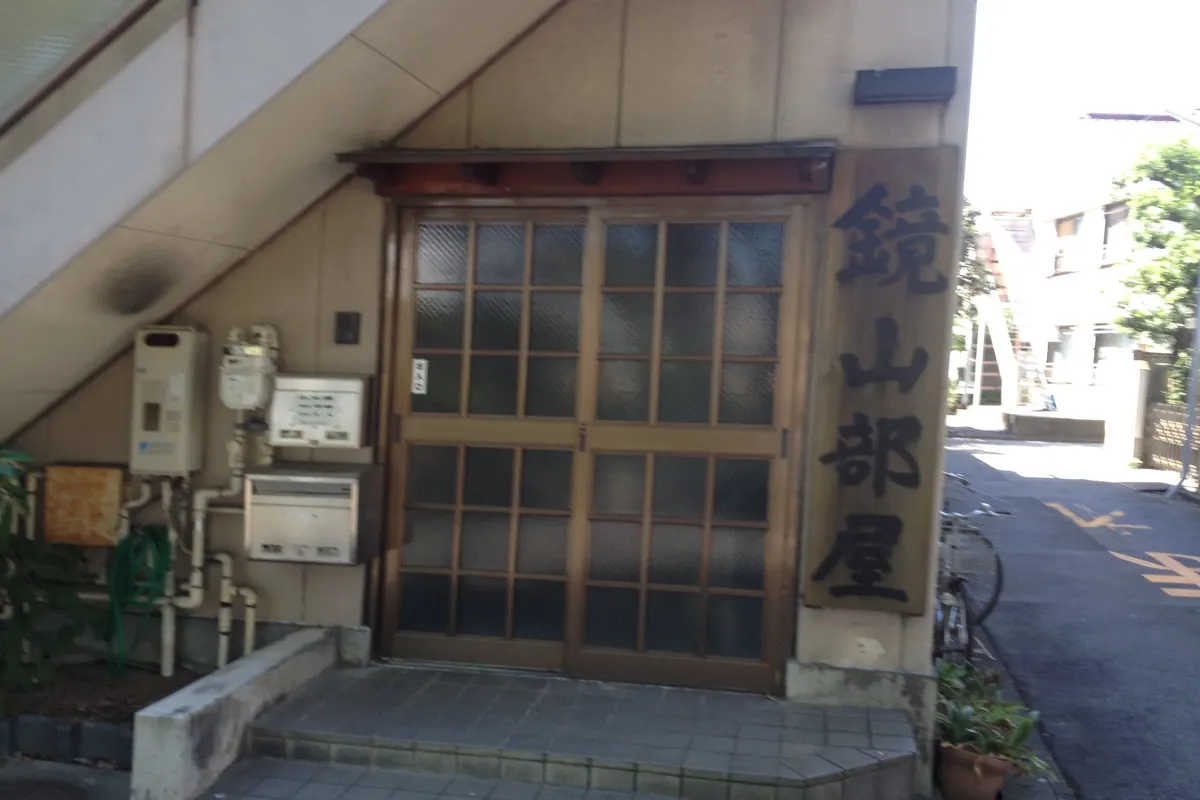
In Wikipedia's account a heya is a small community: its members share a roof, meals, practice and bedtime, answerable to one or more elders, and every professional wrestler has to belong to one. The article's own adjectives for that way of living are quasi-monastic and militaristic, which tells you the routine matters more than comfort.
Who is in charge
The stablemaster, the shishō, takes a paternal role and is the highest authority in communal life. His wife, the okamisan, advises recruits, helps in the kitchen, handles accounts and public relations, and receives no salary. A stable is named after the elder share held by its head coach.
Morning keiko
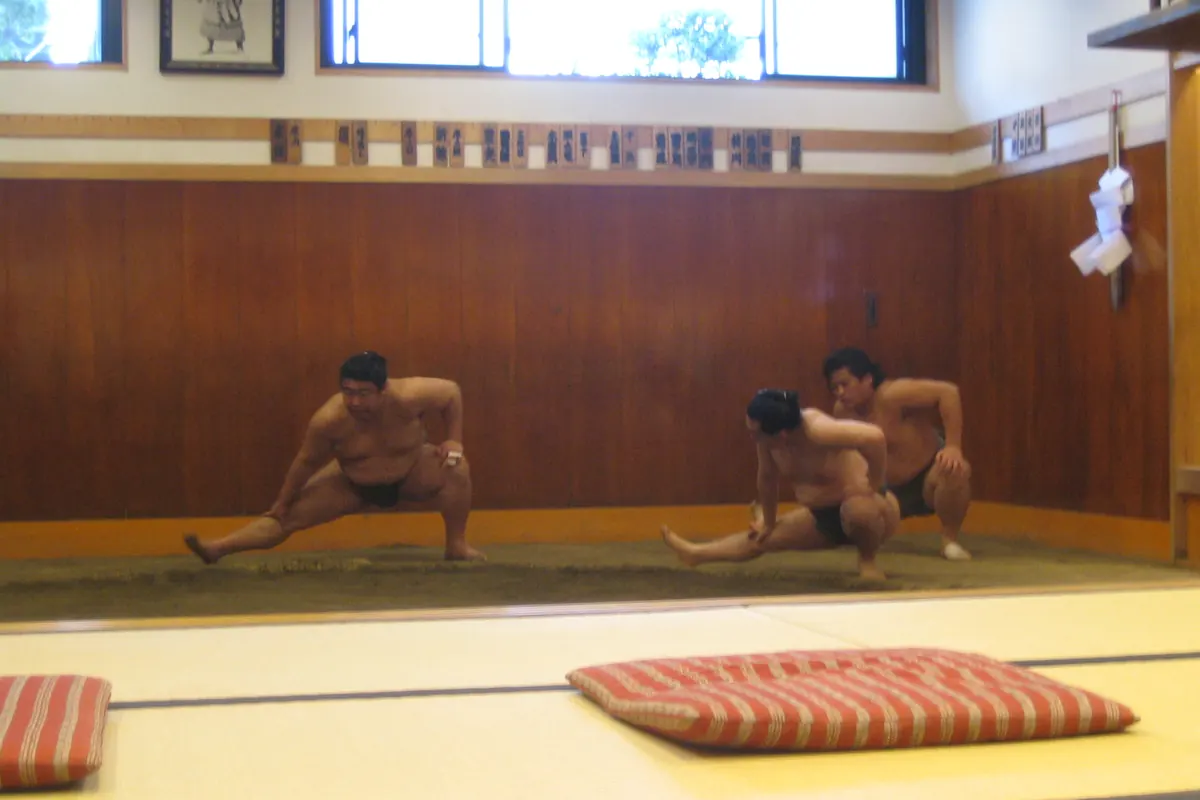
At first light the juniors are up cleaning and loosening their muscles, and they train before eating. Salaried wrestlers turn up last. Wikipedia stresses that the routine never skips a morning. Food and sleep come after practice.
Chores and privilege
Rank decides the housework. Lower-ranked wrestlers handle cleaning, laundry and rubbish in the afternoons, and meal preparation rotates among the juniors. The sekitori are exempt from chores, are served by those below them and bathe first. Wikipedia notes that a saying holds a stable is only profitable when it can house ten wrestlers, a reminder that a stable is also a business.
The rank system
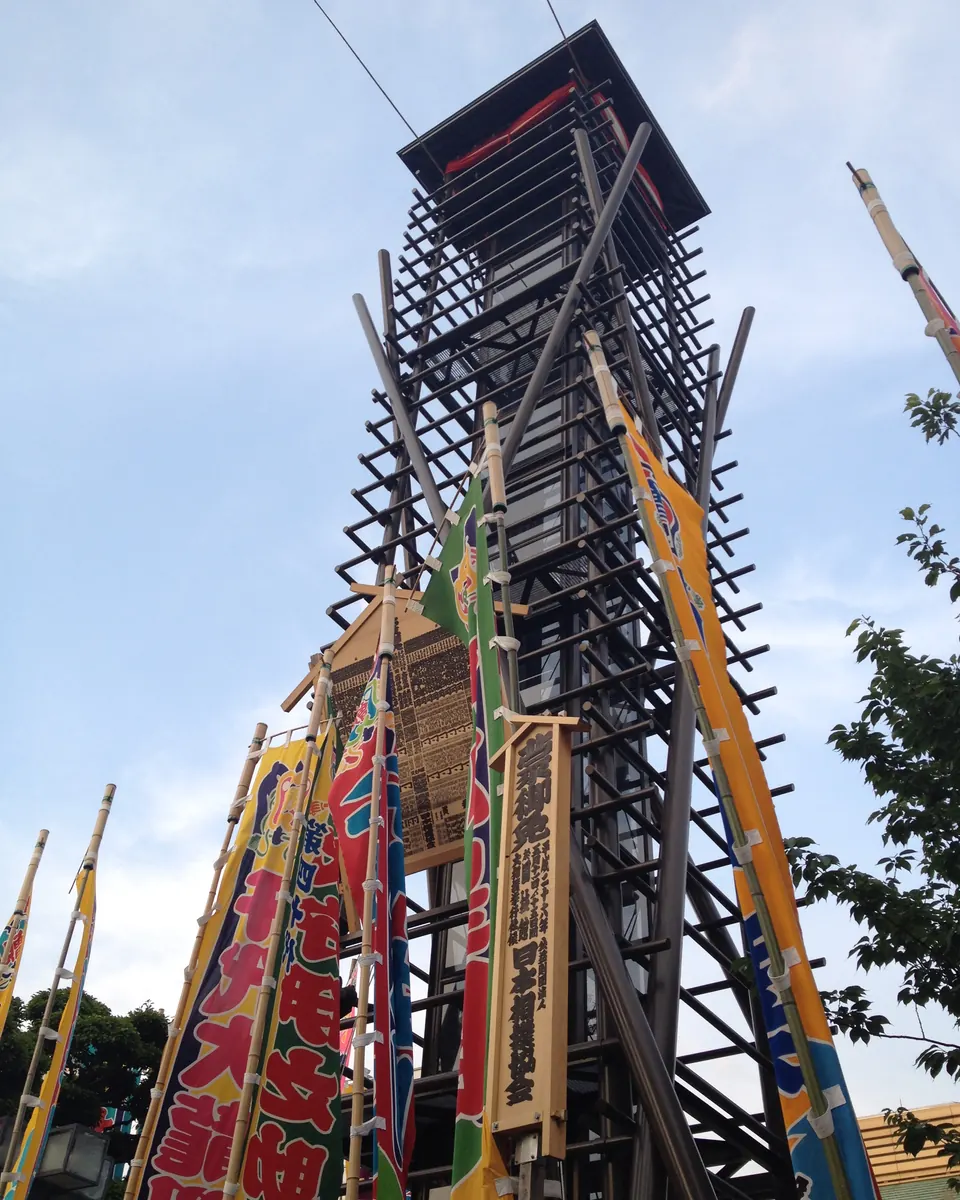
Sumo has six divisions. Wrestlers in the top two, jūryō and makuuchi, are sekitori, with a salary, attendants and the more elaborate ōichōmage topknot. Wikipedia says sekitori also get nobori banners with their names. In the stable they bathe first, are served by juniors and have a private room, while most others sleep in a shared dormitory and do the cleaning and laundry.
Joining
Wikipedia says that since 1973 aspirants must have completed compulsory education, so recruits typically come straight from middle school, and that wrestlers must be under 23 years old, with exceptions. Most recruits sign up in March.
Stables and their groups
Wikipedia says stables are grouped into five clans, called ichimon, which support each other mainly through joint training and ceremonies. It also notes that in the early 2020s the trend was for stables to close and merge, and that wrestlers from a closed stable are often allowed to move to another. The system changes slowly, but it does change.
The end of a career
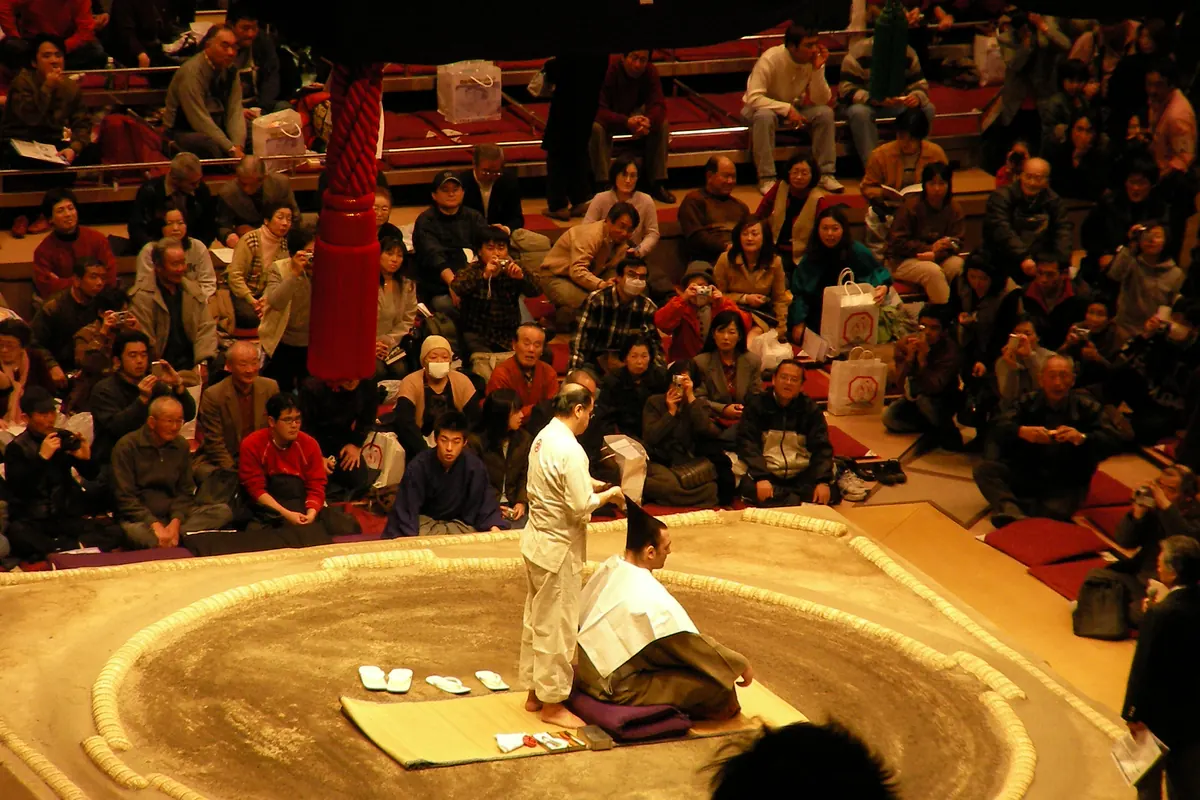
A career closes with the topknot being cut in a ceremony called danpatsu-shiki. A stablemaster, the heya article says, must retire at 65 and hand the stable on, usually to a member or relative. For most retired wrestlers life continues outside the association, and the majority of those find work in chankonabe restaurants.
Read next: What sumo wrestlers eat: chanko-nabe
Why it matters at a show
A show built around chanko-nabe and demonstrations by retired wrestlers draws directly on this life: the stew, the exercises and the rituals all come from the stable. It does not replace seeing one, and the listing for the Asakusa show says it is different from a serious morning practice tour. Other sumo experiences exist in Tokyo for that.
Sources