The real thing
Real sumo in Tokyo: the Ryōgoku tournaments
Where Tokyo's Grand Sumo tournaments are held, how often, and how a tournament differs from a sumo show.
Reserve your table by the ring ↗Quick answer
Wikipedia places Tokyo's Grand Sumo tournaments in an arena in Sumida, the Ryōgoku Kokugikan, three times a year: January, May and September. Each lasts fifteen days from a Sunday start. The Asakusa hot-pot evening is a different animal, an entertainment night with former wrestlers that runs outside that calendar.
Six tournaments a year
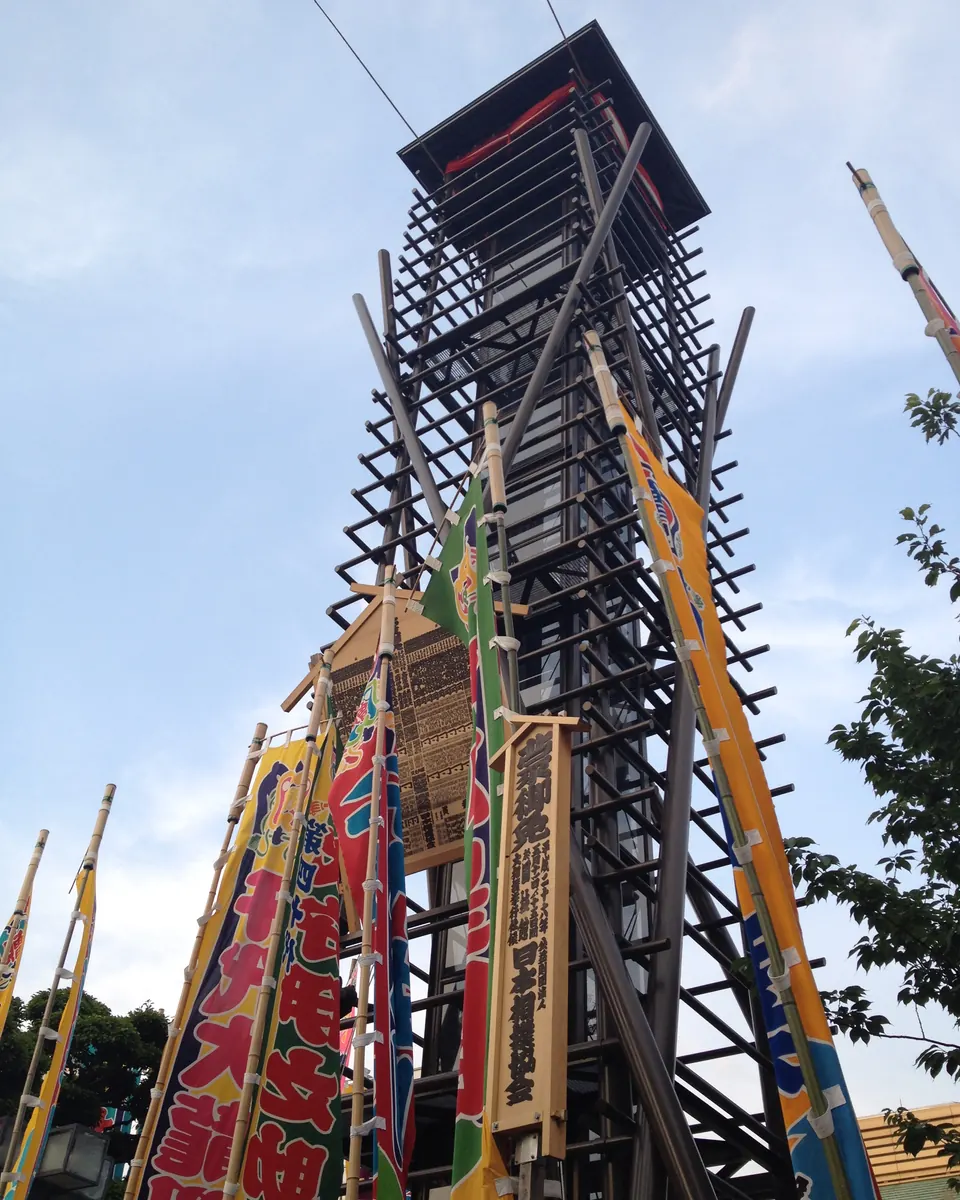
Professional sumo's headline events are the honbasho, and Wikipedia counts six a year. The capital stages half of them under one roof, the Kokugikan, with the other three travelling to Osaka, Nagoya and Fukuoka. Whichever city, a tournament starts on a Sunday and carries on for fifteen days.
The arena
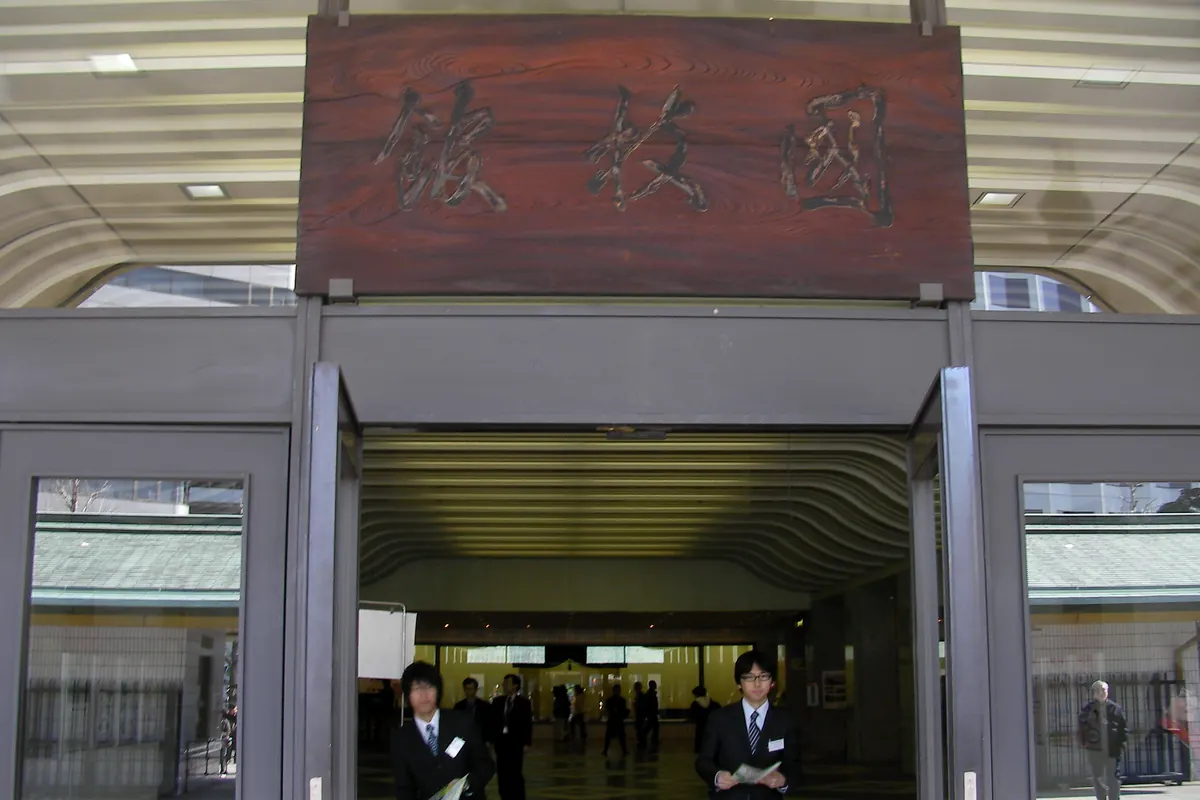
The current building opened in January 1985 in the Yokoami neighbourhood of Sumida, next to the Edo-Tokyo Museum, according to Wikipedia. It is served by Ryōgoku Station on the JR Chūō-Sōbu Line and the Toei Ōedo Line. The article also lists a Sumo Museum and restaurants, including a banquet hall for chanko tasting.
How the ranking works
A banzuke ranking document is published about two weeks before each tournament. At the top is the yokozuna, then ōzeki, sekiwake and komusubi, and below them the maegashira, who make up most of the top makuuchi division, Wikipedia says.
Show or tournament
A tournament is a competition for rank and the title. A show such as the Asakusa one is a demonstration by retired professionals with a moderator and a meal. The Asakusa listing says it is different from a serious morning practice tour, so it is also not a window onto a stable. All three experiences exist in Tokyo for different tastes.
Who wrestles in a tournament
Wikipedia says the ranked wrestlers of professional sumo compete in six divisions, with the top two, jūryō and makuuchi, forming the sekitori, who earn a salary. Those are the men who fight in the tournaments. The retired wrestlers in a show have left that ladder, which is the plain reason an exhibition cannot stand in for the real contest.
Ryōgoku beyond the arena
Wikipedia says the first chankonabe restaurant opened in Ryōgoku in 1937, and that the district holds many stables. Nigirizushi's inventor Hanaya Yohei also had his shop here in 1824, according to the same encyclopedia's nigiri article. The area has long sat at the centre of sumo and of Edo's food.
Where to go next
If this guide has you curious about the sport, read the one on the stable and the one on whether the Asakusa show is worth it. This guide gives no ticket advice or dates, because the association's own calendar is the place to check them.
Sources